
Description
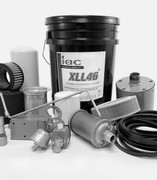
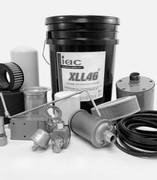
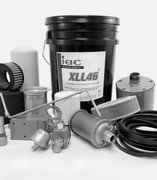
ELGi Condensate Drain Solenoid Valve — B000506530849
This ELGi drain valve component is designed to help remove condensate from compressed air systems so moisture does not accumulate in filters, dryers, tanks, or low points.
Keeping condensate under control helps reduce corrosion, protects downstream equipment, and supports consistent system performance—especially in high-humidity or high-duty applications.
Key Features
- Solenoid-actuated control: Designed for automatic condensate discharge where solenoid operation is required.
- Supports system reliability: Helps reduce corrosion and moisture-related issues in compressed air piping and equipment.
- Service replacement ready: A suitable replacement part when repairing or maintaining compatible ELGi equipment.
- Helps reduce wasted air: Proper drain function prevents continuous leakage and unnecessary compressed air loss.
- Installation flexibility: Used across common condensate points such as tanks, filters, dryers, and low points (confirm your connection type).
Specifications
| Component Type | Condensate Drain Solenoid Valve |
|---|---|
| Use Case | Compressed Air Condensate Removal / Drain Service |
Installation & Maintenance Tips
- Confirm compatibility before replacement: Match MPN and the equipment/housing reference on your installed component.
- Keep the drain path clean: Debris and sludge can cause sticking; clean strainers/screens where used.
- Follow safe service practices: Depressurize and lock out as required before removing or servicing drain hardware.
FAQs
▶️ Question: What is the Condensate Drain Solenoid Valve used for?
Answer: It is used to remove condensate from compressed air equipment so moisture does not build up and carry over downstream.
▶️ Question: Does a solenoid drain require control power?
Answer: Yes. Solenoid-actuated drains require the correct control power and wiring. Match the drain/coil voltage noted for the part to your available power before installation.
▶️ Question: What are common signs a drain needs service or replacement?
Answer: Continuous leaking (air loss), no discharge (water downstream), clogging/sticking, or visible damage are common indicators.
▶️ Question: Where should I install or position the drain?
Answer: Install at a true condensate collection point (tank drain, filter sump, dryer drain, or low point). Keep it accessible for inspection and maintenance.
▶️ Question: How can I reduce air loss from drains?
Answer: Use the correct drain type for the application, keep strainers clean, and fix leaks quickly. Timer-style drains and leaking valves are common sources of wasted compressed air.