


Description
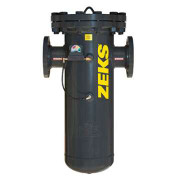
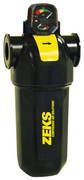
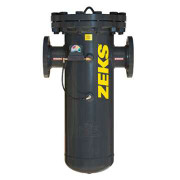
ZEKS ZFCHT250G High-Temperature Coalescing Filter Element – Grade G
The ZEKS ZFCHT250G is a Grade G general purpose coalescing element intended for ZEKS compressed air filtration setups where coalescing performance is needed and operating conditions may require a high-temperature element configuration. Grade G elements are commonly used to reduce oil/water aerosols and fine particulate contamination in plant air systems.
Key Features
- General purpose coalescing: Helps reduce aerosols and oil mist in compressed air streams.
- Supports air quality targeting: Grade-based element selection helps tailor filtration to the application.
- Service-driven maintenance: Replace elements based on pressure drop trends and air quality needs.
Grade G Performance (air-quality targeting)
- Coalescing grade: Grade G (general purpose coalescing)
- Filtration target: down to 0.1 micron with residual aerosol performance reference (per Grade G spec)
Frequently Asked Questions
▶️ Question: When should the ZFCHT250G filter be used in a compressed air system?
Answer: This filter should be used when you need to reduce contamination in compressed air and protect downstream equipment such as dryers, valves, tools, and instrumentation.
▶️ Question: How do I know if the ZFCHT250G filter is the right size for my system?
Answer: Match your system airflow to the filter's rated capacity and confirm that the connection size and pressure limits fit your installation.
▶️ Question: What does the element grade mean on the ZFCHT250G filter?
Answer: The element grade defines the filtration duty for the filter. For this model, Grade G indicates General purpose coalescing for fine particulate and oil/water aerosol reduction.
▶️ Question: What installation conditions should I confirm before using the ZFCHT250G filter?
Answer: Confirm that your piping connections, operating pressure, and temperature range align with the product limits.
▶️ Question: What maintenance is typically recommended for the ZFCHT250G filter?
Answer: Inspect the element regularly, monitor differential pressure, and replace the element when pressure drop or air quality performance indicates service is needed.